How Spiritual Tourism Reduce Stress
In a world that is constantly moving—filled with deadlines, digital notifications, academic pressure, and personal expectations—stress has become a normal part of daily life. Many people are now turning toward more meaningful forms of travel to find balance again. One such growing trend is spiritual tourism. Unlike regular vacations focused on sightseeing or entertainment, spiritual tourism focuses on inner healing, mindfulness, and self-discovery.
Spiritual tourism involves visiting places that hold religious, cultural, or meditative significance, and engaging in practices like meditation, yoga, prayer, or silence retreats. These journeys are not just about changing locations—they are about changing mental states. This form of travel can significantly reduce stress and improve overall well-being in ways that are both psychological and physical. we will see How Spiritual Tourism Reduce Stress
Why spiritual tourism? And How Spiritual Tourism Reduce Stress
Why Spiritual Tourism WorksDigital Detox: Stepping away from constant screen time, work pressure, and daily obligations allows your nervous system to reset.
Mindfulness Practices: Immersive experiences like guided meditation, yoga, and prayer calm the mind and lower physiological markers of stress.
Nature Connection: Most spiritual destinations (like ashrams, mountains, or riverbanks) are situated in tranquil environments, which studies show increases serotonin and fights depression.
Sense of Purpose: Exploring beliefs or participating in a pilgrimage provides clarity, perspective, and a deeper meaning to life, which helps shift the mind away from daily anxieties.
How spiritual tourism reduces stress?
How Spiritual Tourism Reduce Stress
1.Break from Routine and Mental Overload
One of the primary causes of stress is repetitive routine and constant mental engagement with work, studies, or digital devices. Spiritual tourism provides a break from this cycle. When a person travels to a peaceful destination, especially one focused on spirituality, the mind is no longer trapped in everyday pressures.
2.Meditation and Mindfulness Practices
Many spiritual destinations offer structured meditation programs. Meditation is scientifically proven to reduce cortisol levels, which is the hormone responsible for stress.
In spiritual retreats, individuals are guided to focus on breathing, silence, and present-moment awareness. This helps reduce overthinking, anxiety, and emotional overload.
3.Connection with Nature
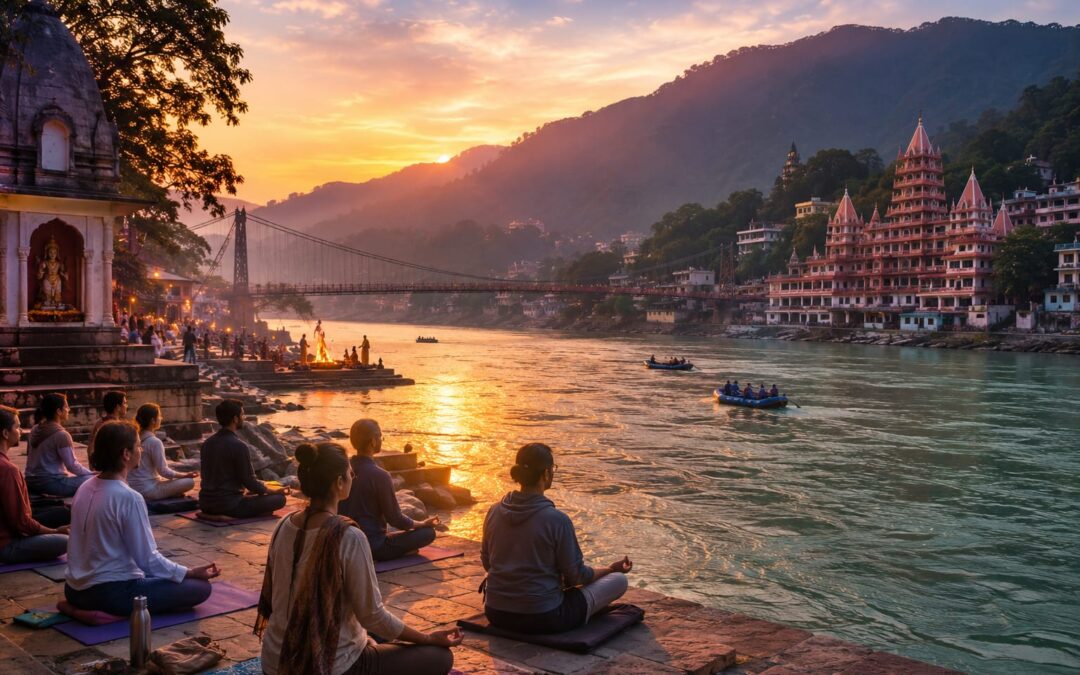
Spiritual destinations are often located in natural surroundings—mountains, rivers, forests, or coastal areas. Nature plays a powerful role in reducing stress levels. The sound of flowing water, fresh air, and green landscapes naturally calm the nervous system.
4.Emotional Release Through Rituals and Practices
Spiritual tourism often includes participation in rituals such as prayer ceremonies, chanting, or temple visits. These practices can provide emotional release and comfort. They give people a structured way to express emotions that may otherwise remain suppressed.
5.Digital Detox and Mental Clarity
Modern stress is heavily linked to constant digital exposure. Spiritual tourism often encourages or enforces reduced use of phones and devices. This digital detox helps the mind slow down.
All are the points that show How Spiritual Tourism Reduce Stress.
Spiritual Tourism and Mental Well-Being
Emotional Healing and Inner Peace
Many spiritual journeys provide opportunities for emotional healing. Individuals dealing with grief, loss, trauma, or emotional distress often find comfort in spiritual environments that encourage acceptance, compassion, and forgiveness.
Meditation, prayer, and reflective practices help release negative emotions and promote emotional balance. The supportive atmosphere of spiritual retreats can also foster feelings of safety and belonging.
Enhanced Mental Clarity
The quiet and reflective nature of spiritual tourism helps calm the mind and reduce mental clutter. Without the constant distractions of everyday life, individuals can think more clearly and gain fresh perspectives on personal and professional challenges.
Mental clarity enables better decision-making, increased creativity, and improved problem-solving abilities. Many travelers return from spiritual journeys feeling more focused and motivated.
Strengthening Resilience
Spiritual practices often emphasize acceptance, patience, gratitude, and compassion. These qualities help individuals develop resilience and cope more effectively with adversity.
By learning techniques such as meditation and mindfulness, travelers acquire practical tools for managing stress long after their journey has ended.
Spiritual tourism can contribute to physical well-being through:
Improved Sleep Quality
Stress and anxiety are major causes of sleep disturbances. Meditation and relaxation practices commonly included in spiritual tourism programs help calm the nervous system and promote restful sleep.
Better sleep leads to:
- Increased energy.
- Improved concentration.
- Enhanced immune function.
- Better emotional regulation.
Lower Blood Pressure
Studies have shown that meditation and mindfulness practices can help reduce blood pressure by lowering stress levels and promoting relaxation.
This contributes to improved cardiovascular health and reduces the risk of stress-related illnesses.
Encouragement of Healthy Lifestyle Habits
Many spiritual retreats promote healthy living through:
- Nutritious diets.
- Regular physical activity.
- Yoga practice.
- Nature walks.
These habits support long-term health and reinforce overall well-being.

The Role of Nature in Spiritual Tourism
Nature plays a central role in many spiritual tourism experiences. Mountains, forests, rivers, deserts, and coastal environments often serve as settings for spiritual retreats and reflection.
Spending time in nature has been associated with:
- Reduced stress levels.
- Lower anxiety.
- Improved mood.
- Enhanced creativity.
- Greater life satisfaction.
Natural environments provide a sense of tranquility that encourages mindfulness and introspection. The beauty and vastness of nature can also inspire feelings of awe, gratitude, and connectedness.
Many spiritual traditions view nature as sacred, making it an ideal setting for personal growth and healing.
Social and Cultural Benefits
Spiritual tourism also promotes social well-being by fostering meaningful connections with others. Retreats, workshops, and pilgrimages often bring together individuals from diverse cultural and social backgrounds.
These shared experiences encourage:
- Empathy.
- Understanding.
- Community building.
- Cultural appreciation.
Popular Spiritual Tourism Destinations
Rishikesh, often known as the "Yoga Capital of the World," attracts visitors seeking yoga, meditation, and spiritual learning.
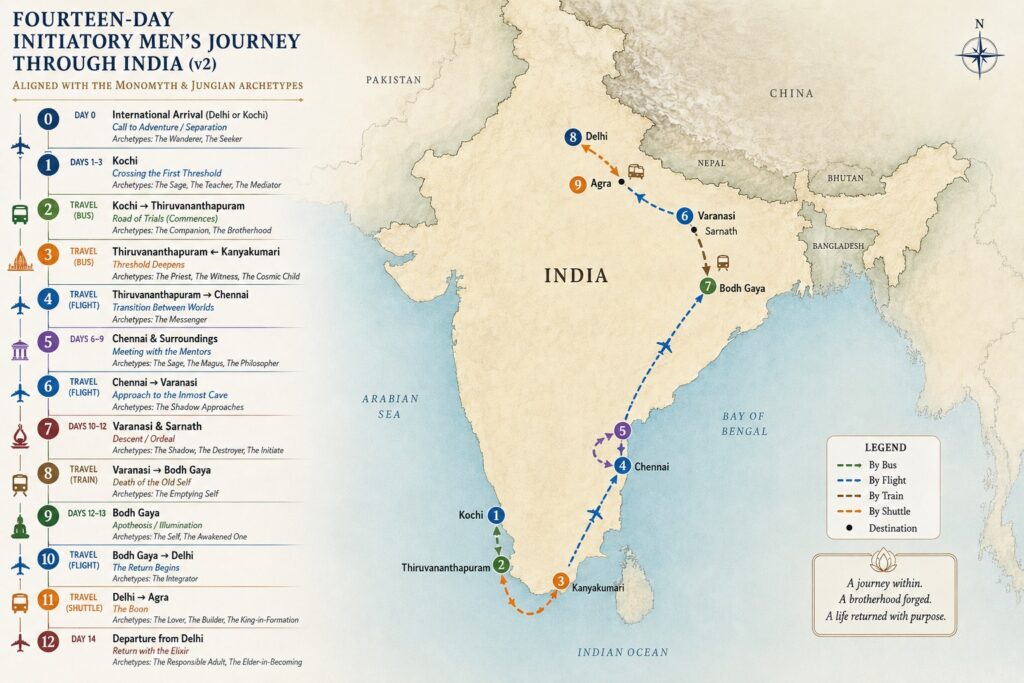
Bodh Gaya is one of the most important Buddhist pilgrimage sites, where Gautama Buddha attained enlightenment.
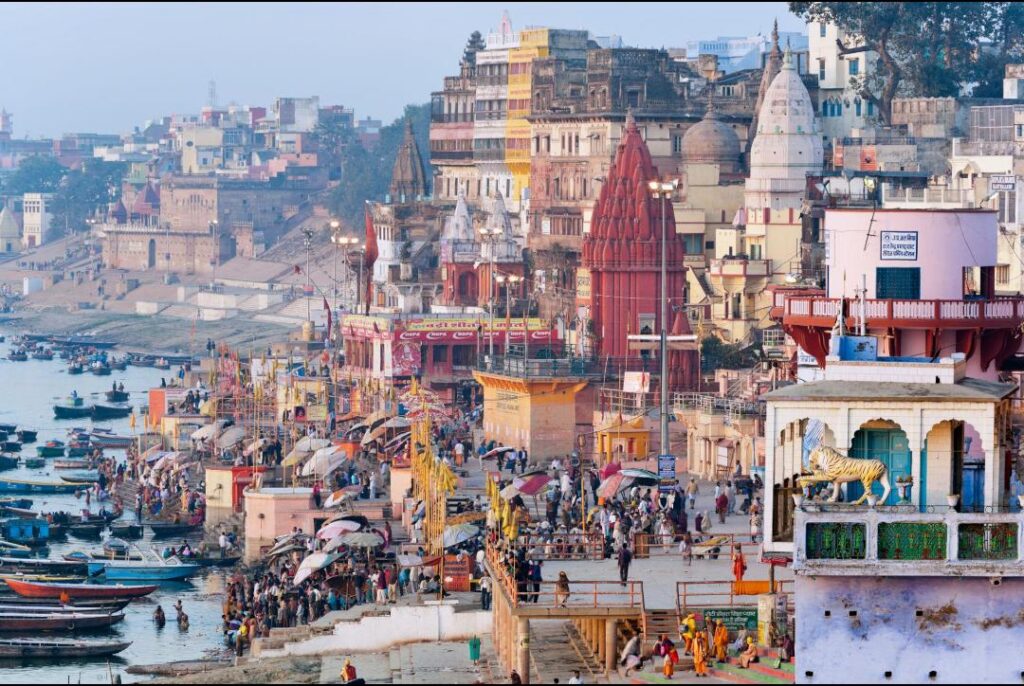
Varanasi is considered one of the holiest cities in Hinduism and offers profound spiritual experiences along the banks of the Ganges River.
Mount Kailash is revered by multiple religious traditions and attracts pilgrims seeking spiritual transformation.
Common forms of spiritual tourism include:
Visiting temples, monasteries, churches, mosques, and sacred sites.
Participating in meditation and mindfulness retreats.
Attending yoga and wellness programs.
Engaging in silent retreats and spiritual workshops.
Exploring natural environments for reflection and healing.
Participating in cultural and spiritual festivals.
Seeking guidance from spiritual teachers and practitioners.
All these forms tell How Spiritual Tourism Reduce Stress.
Popular Forms of Spiritual Tourism
- Yoga retreats: focuses on relaxation
- Medications retreats: emphasize mental clarity and mindfulness
- Pilgrimage tour: visiting temples and holy places
- Wellness retreats: combine ayurveda and spiritual practices.
Challenges and Realistic Expectations
While spiritual tourism has many benefits, it is important to have realistic expectations. It is not an instant cure for long-term mental health issues. Instead, it is a supportive practice that helps build healthier habits and perspectives.
Conclusion
Spiritual tourism is more than just a travel trend—it is a pathway to inner peace and well-being. By combining travel with mindfulness, meditation, and cultural immersion, it helps individuals step away from stress and reconnect with themselves.
Destinations like Rishikesh, Varanasi, and Bodh Gaya demonstrate how deeply geography and spirituality can influence mental and emotional health. Through nature, rituals, and reflective practices, spiritual tourism creates space for healing in a fast-paced world.
Contact us to change your lifeContact Us